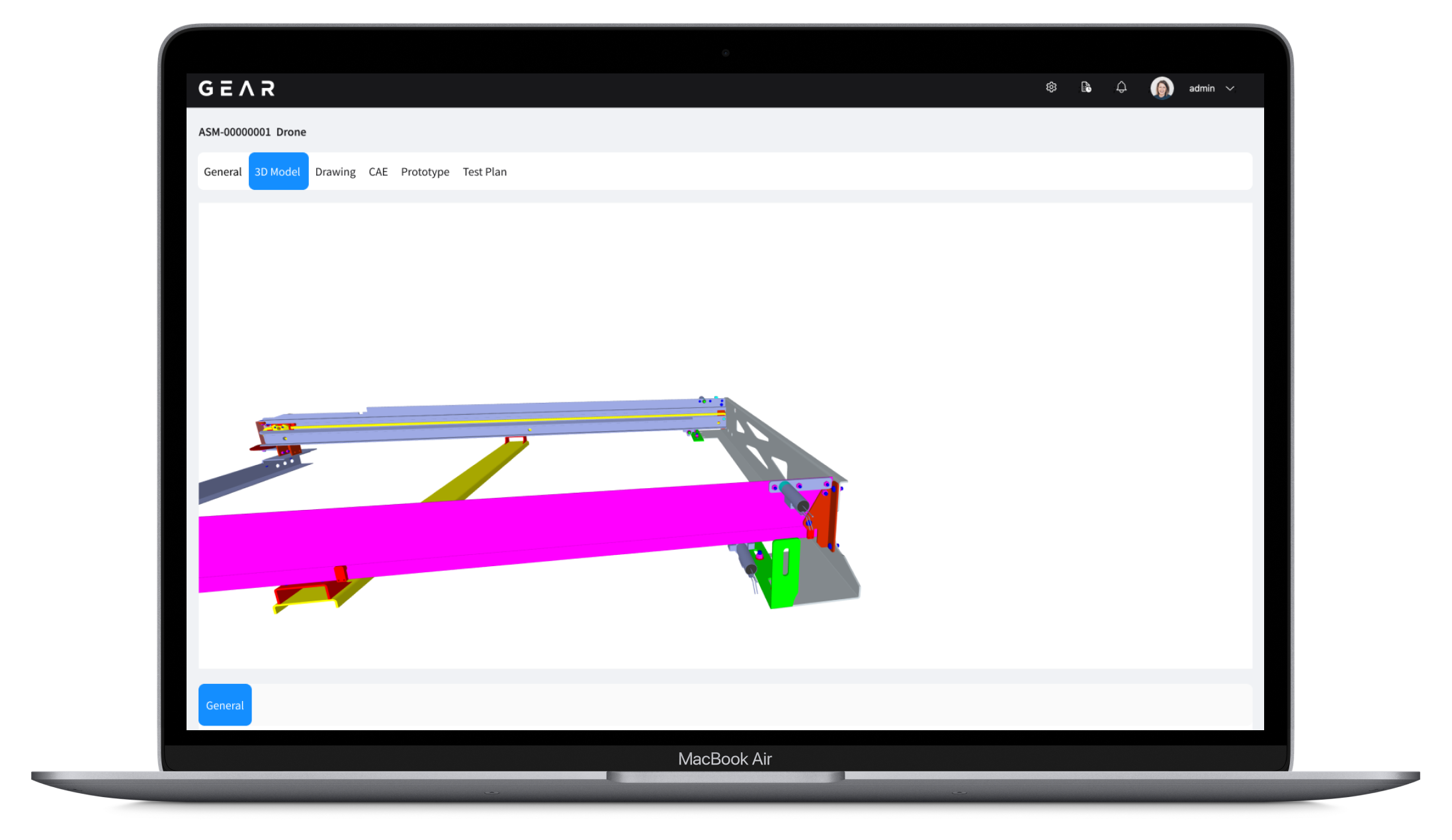
Creating an AI-powered Mechanical Engineering R&D System (MVP)
Timeline
Jan - Jun 2024
Platform
Desktop
Role
Lead Product Designer
Team
1x Product designers, 4x Software developers, 1x Algorithm engineer
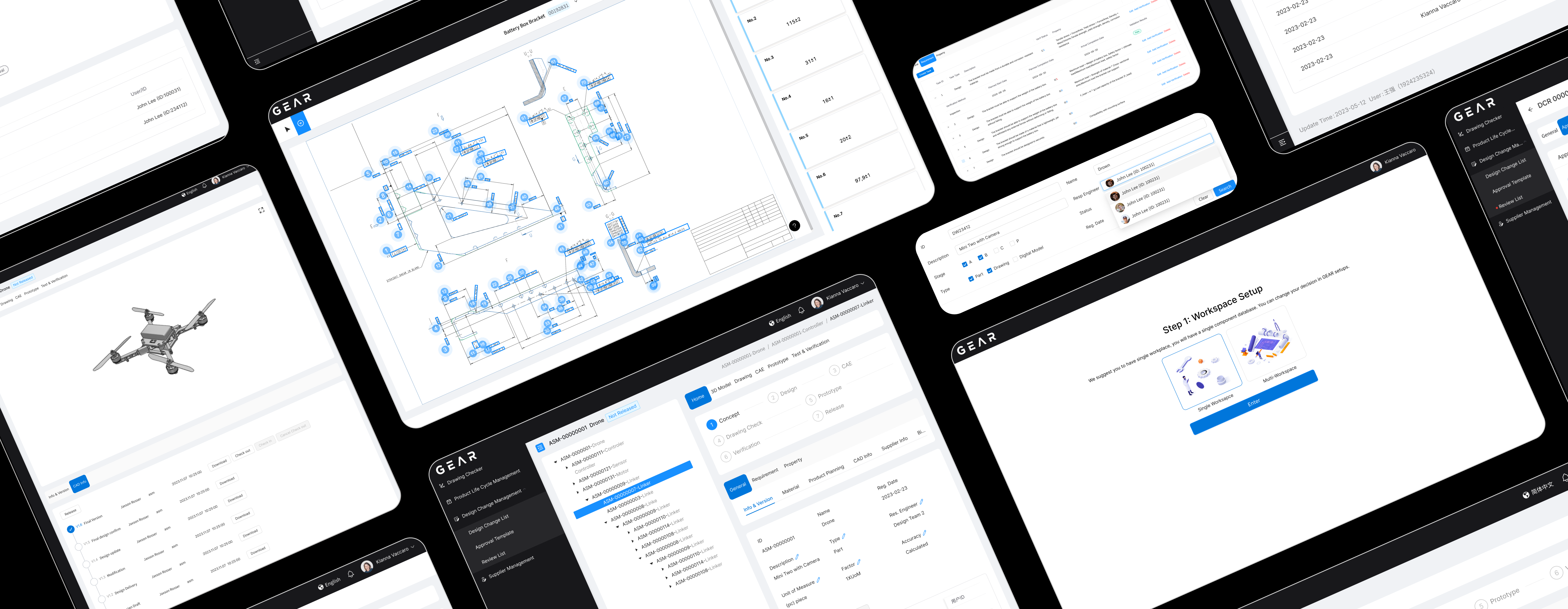
Overview
My Role

Provided leadership to a team of two designers.
Created a holistic design vision that guided our product strategy.
Collaborated with a cross-functional team to design and deliver the product.
Successfully led beta testing with Volvo, achieving product validation.
Co-presented venture capital pitches, securing angel funding.
Overall progress
Jan-Apr 2024 (MVP)
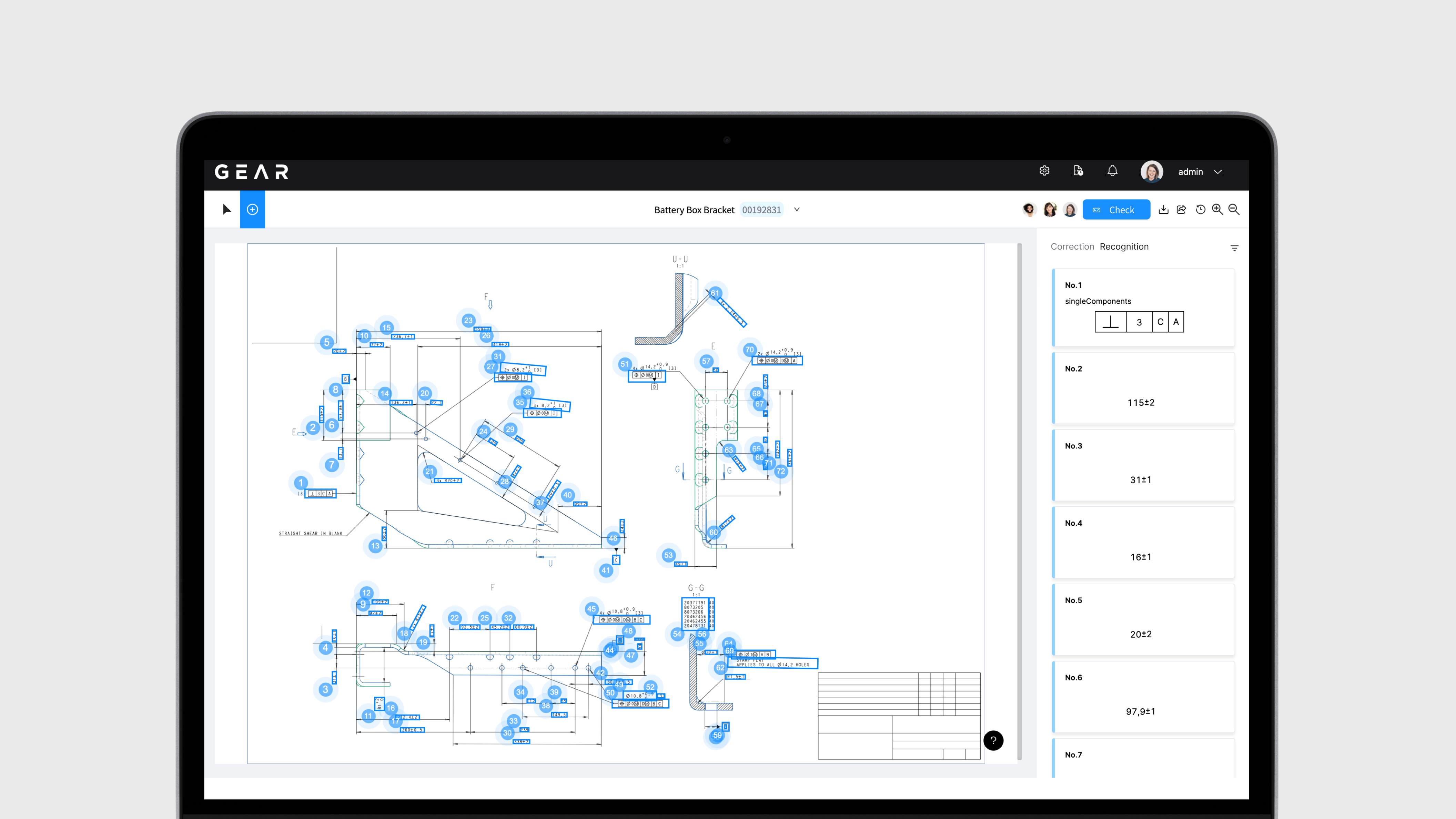
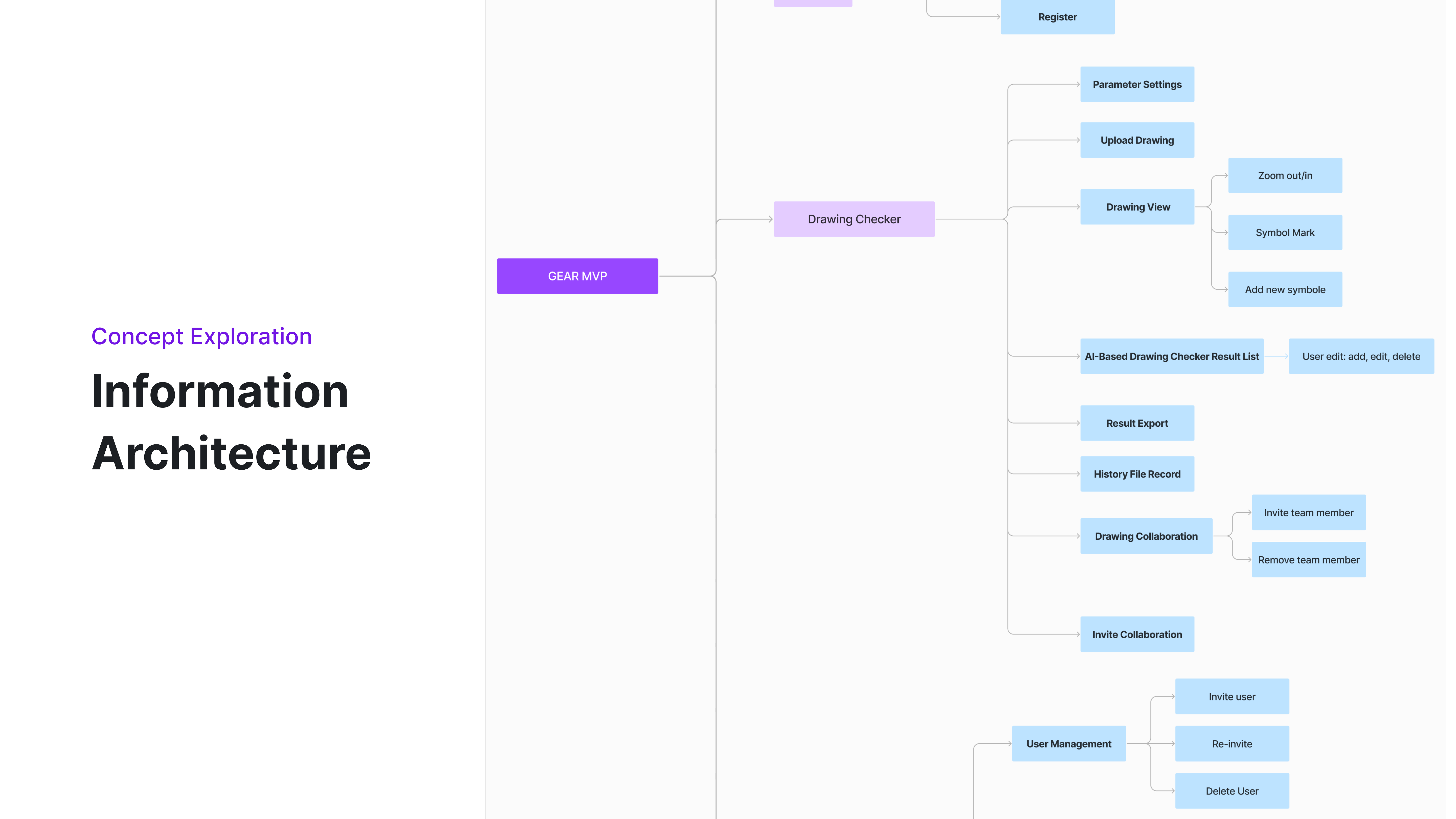
AI Based Drawing Checker
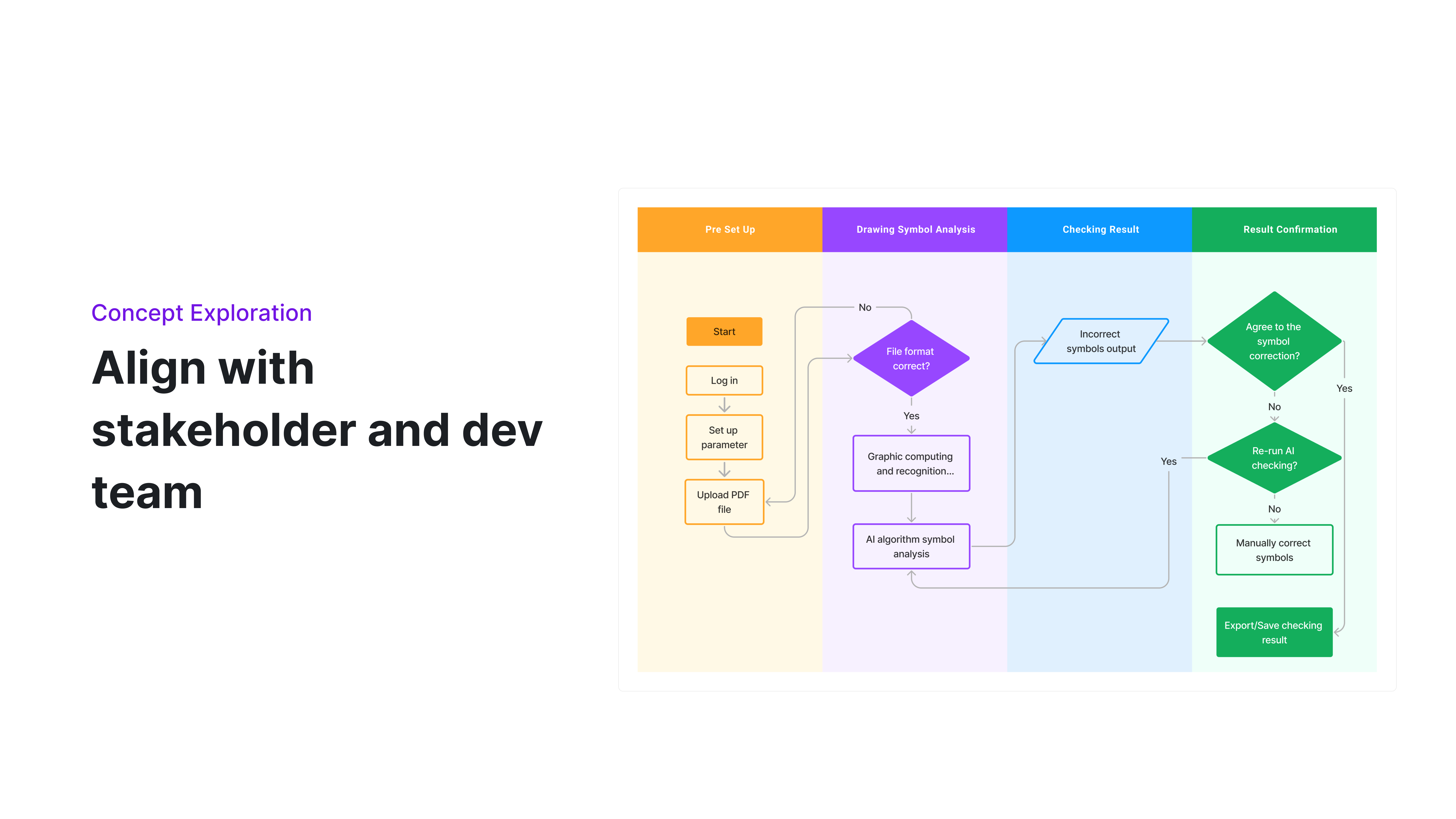
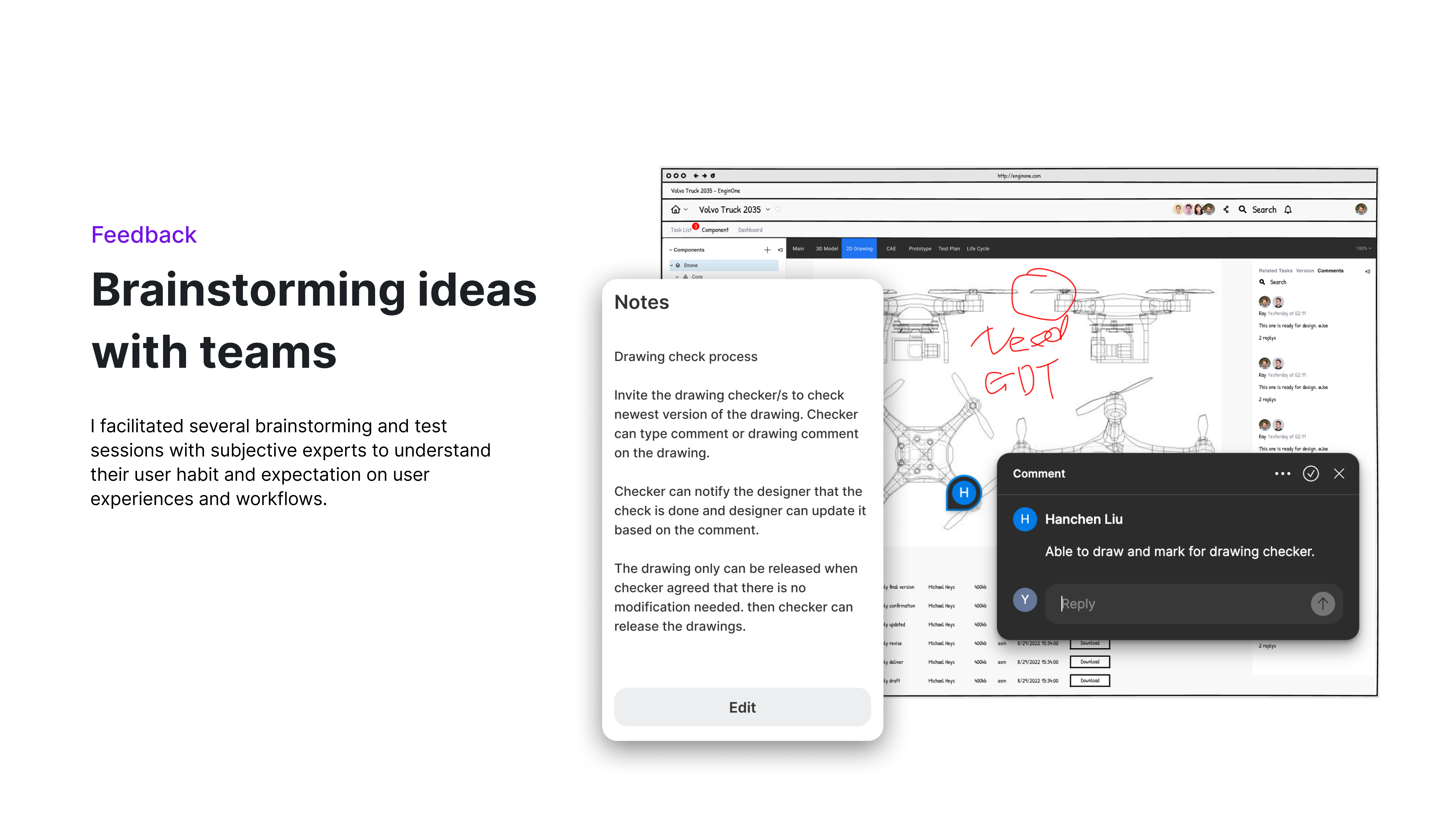
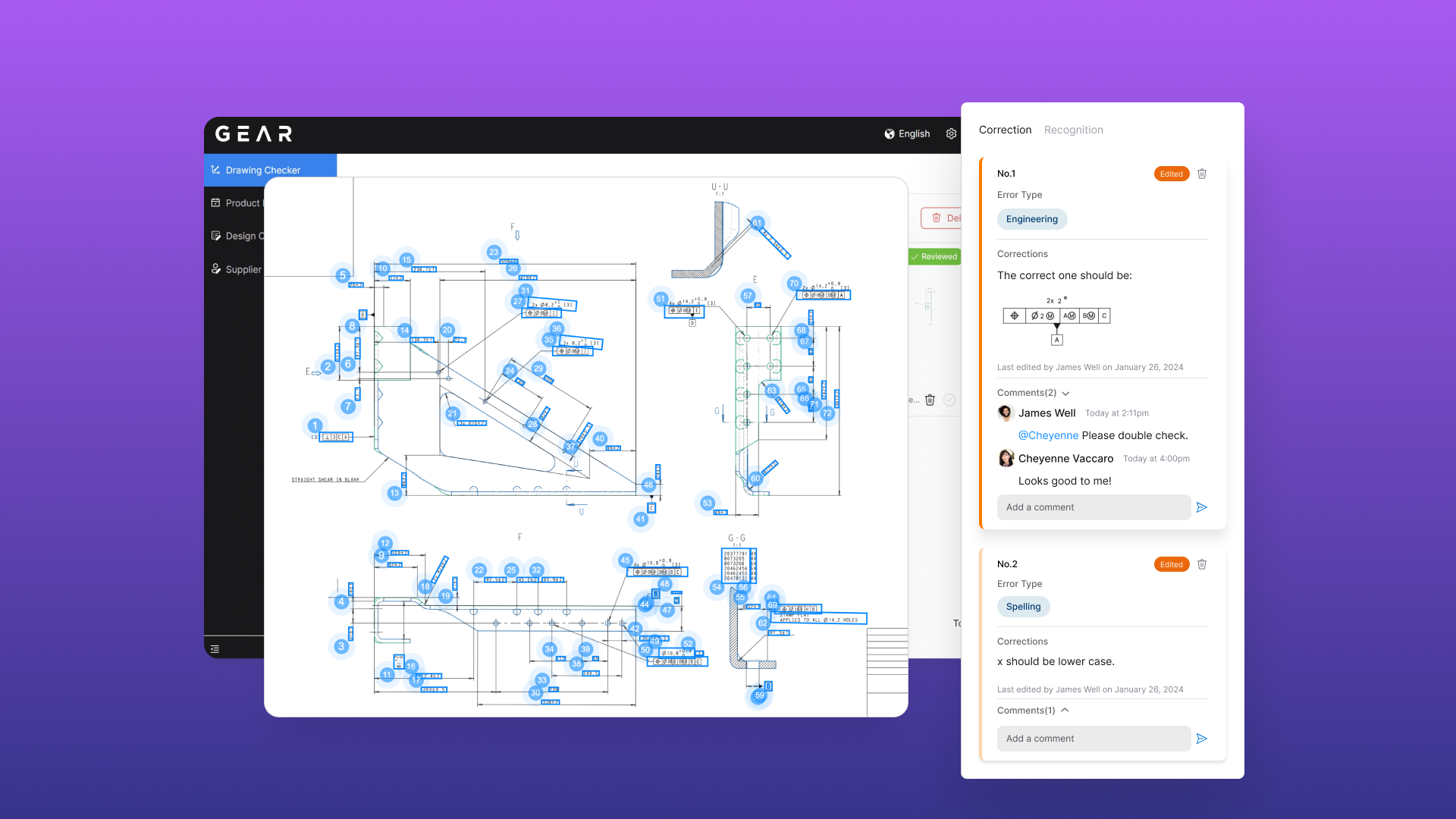
The AI-driven system enables 2D drawing review, automatic dimension and tolerance ballooning, GD&T data extraction, incorrect GD&T recognition, and facilitates online collaboration between QA and design engineers.
Apr-Jul 2024 (V1.0)
AI Based Engineering Assistance
The AI-powered system provides engineering suggestions aligned with ASME/ISO standards and material handbooks, breaks down requirements into design component specifications and engineering needs.
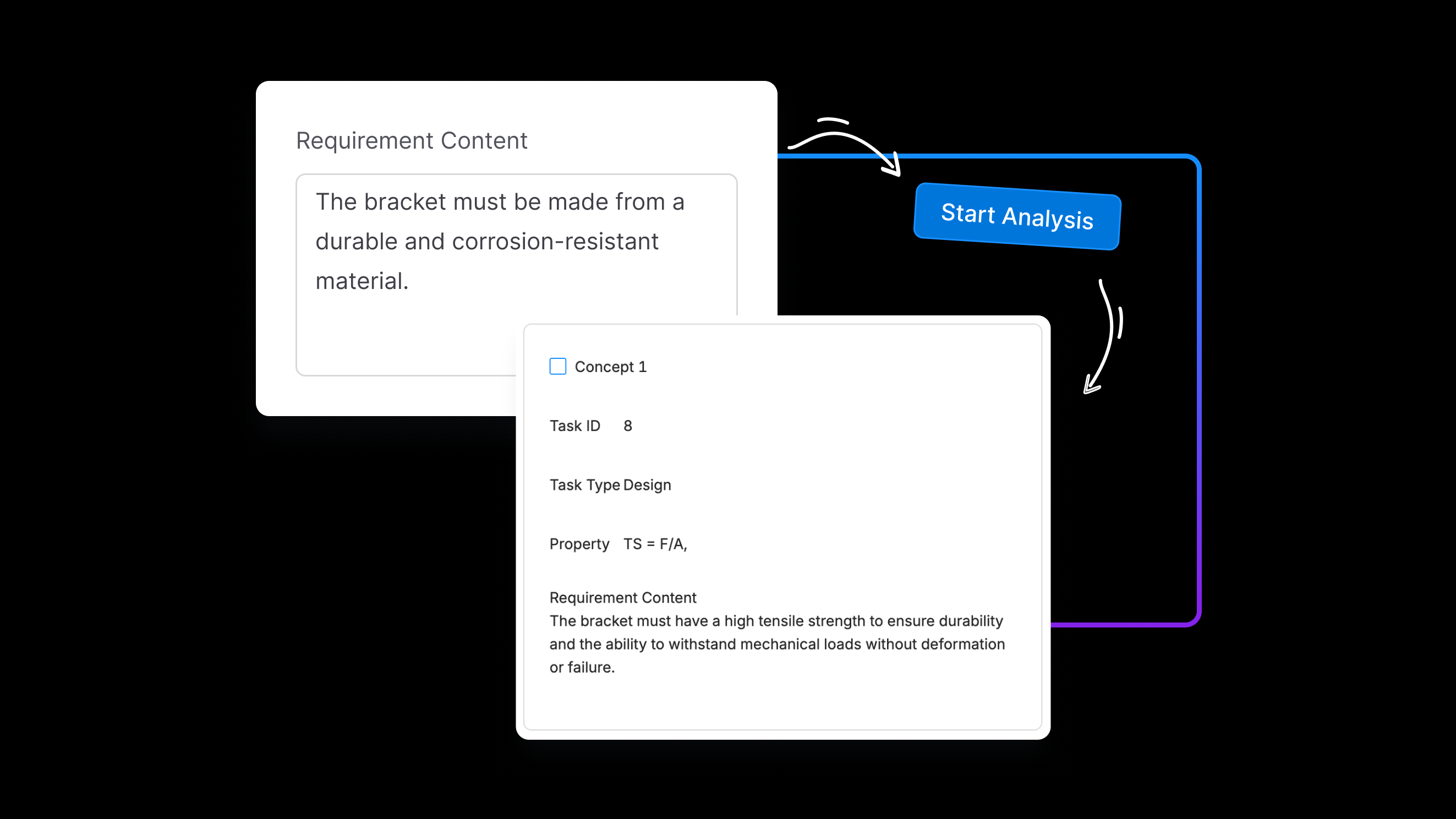
Aug-Nov 2024 (V1.1)
AI Based CAD Design Support
Our AI Based Automated 3D Model Generation can generate corresponding 3D models based on input design requirements to expedite the design process, helping design engineer to brainstorming better concept designs.
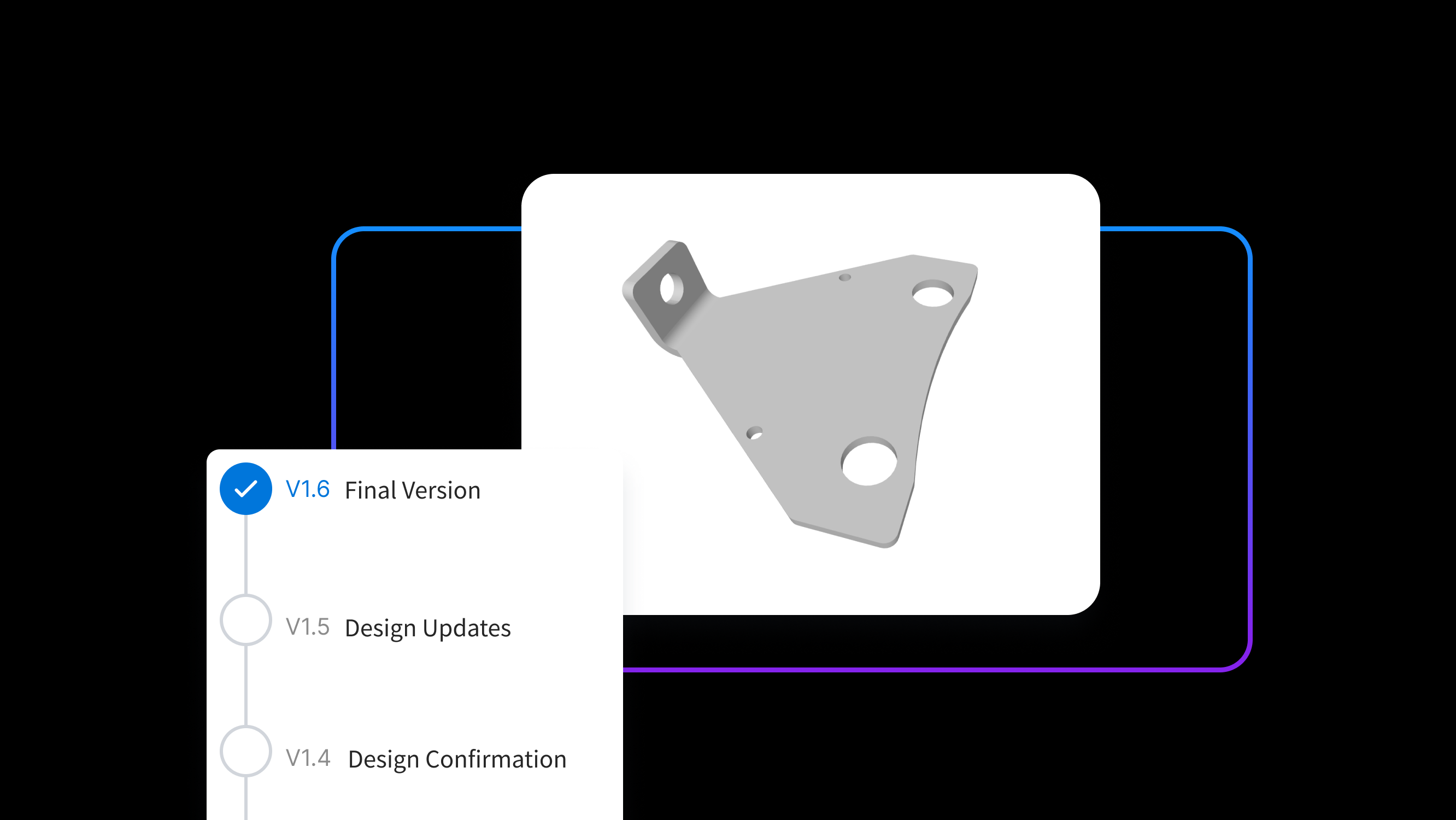
MVP
MVP Stage Business Goal
Focus on identifying and prioritizing the essential features that deliver maximum value to users while meeting core business objectives, ensuring a streamlined and impactful first release.
Partner with leading organizations to validate the product, build credibility, and generate case studies for broader adoption.
Attract investment to enhance AI capabilities and introduce advanced features, ensuring the platform remains innovative and competitive.
MVP Stage Key Metrics
$
5
4
2
0
1
3
5
5
5
0
0
6
4
2
0
1
3
0
0
0
0
6
4
2
0
1
3
0
0
K
Angel Funding
1
4
2
0
1
3
5
5
0
0
0
6
4
2
0
1
3
0
0
0
0
6
4
2
0
1
3
0
0
%
Target Customers Adoption
1
4
2
0
1
3
5
5
0
0
0
6
4
2
0
1
3
0
0
0
0
6
4
2
0
1
3
0
0
%
Beta Test Task Completion
Shape from ambiguity
Research activites
Stakeholder Interviews
User Research Surveys
User Interviews
Competitor Analysis
Key insights from user research
The CAD drawing review process is becoming a bottleneck, slowing down the overall workflow.
There are 7 user roles and 11 steps involved in the mechanical R&D process. Various software tools are utilized, leading to numerous file transfers.
Tools are hard to understand due to complexed workflow and the layout is outdated.
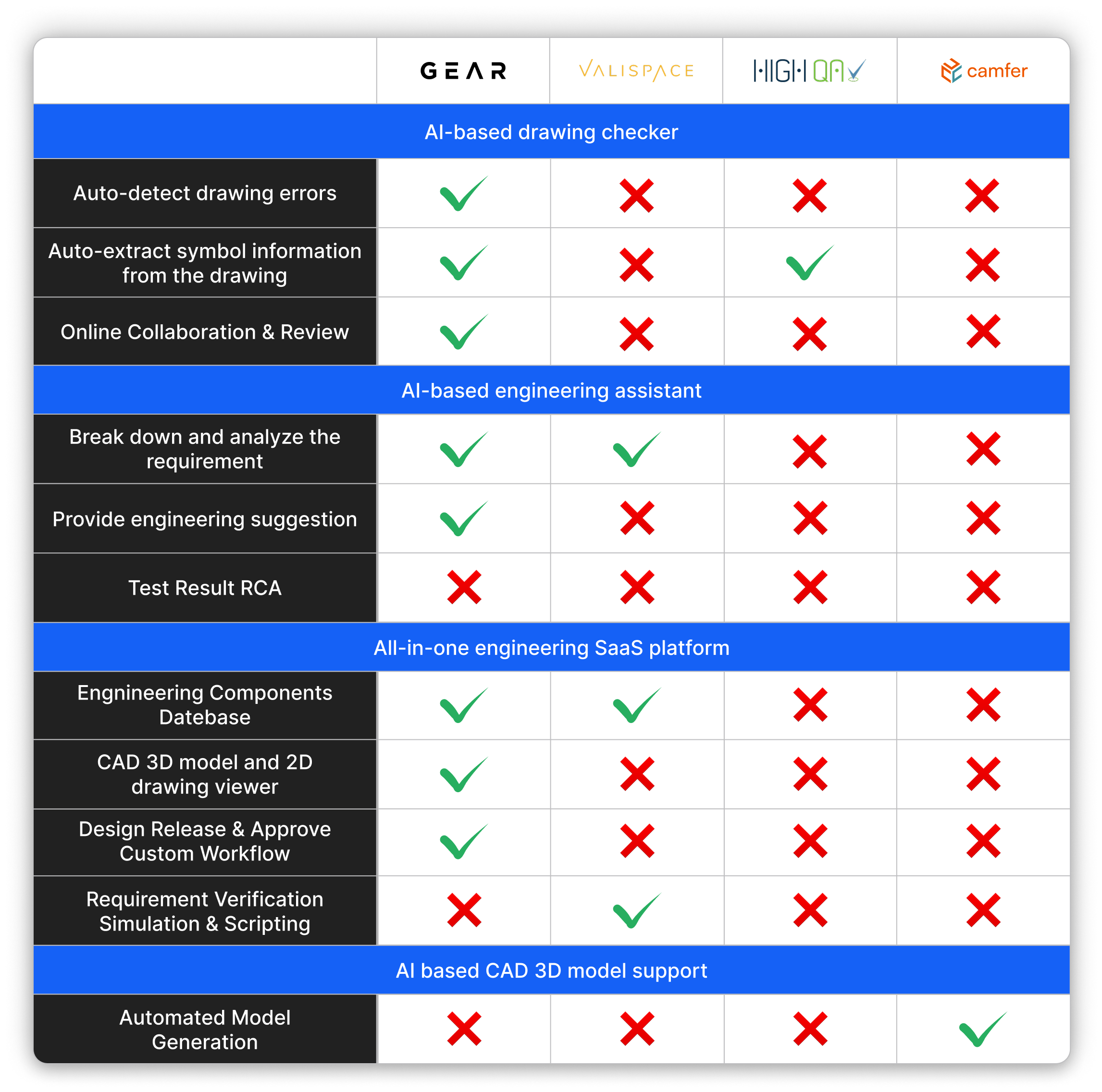
Key insights from competitor analysis
All three competitors leveraged early stage AI technologies in different aspect.
Competitors highlight features are workflow optimization, or AI-driven insights.
The user segments competitors are focusing on is enterprises.
Vision & Mission
Vision
Mission
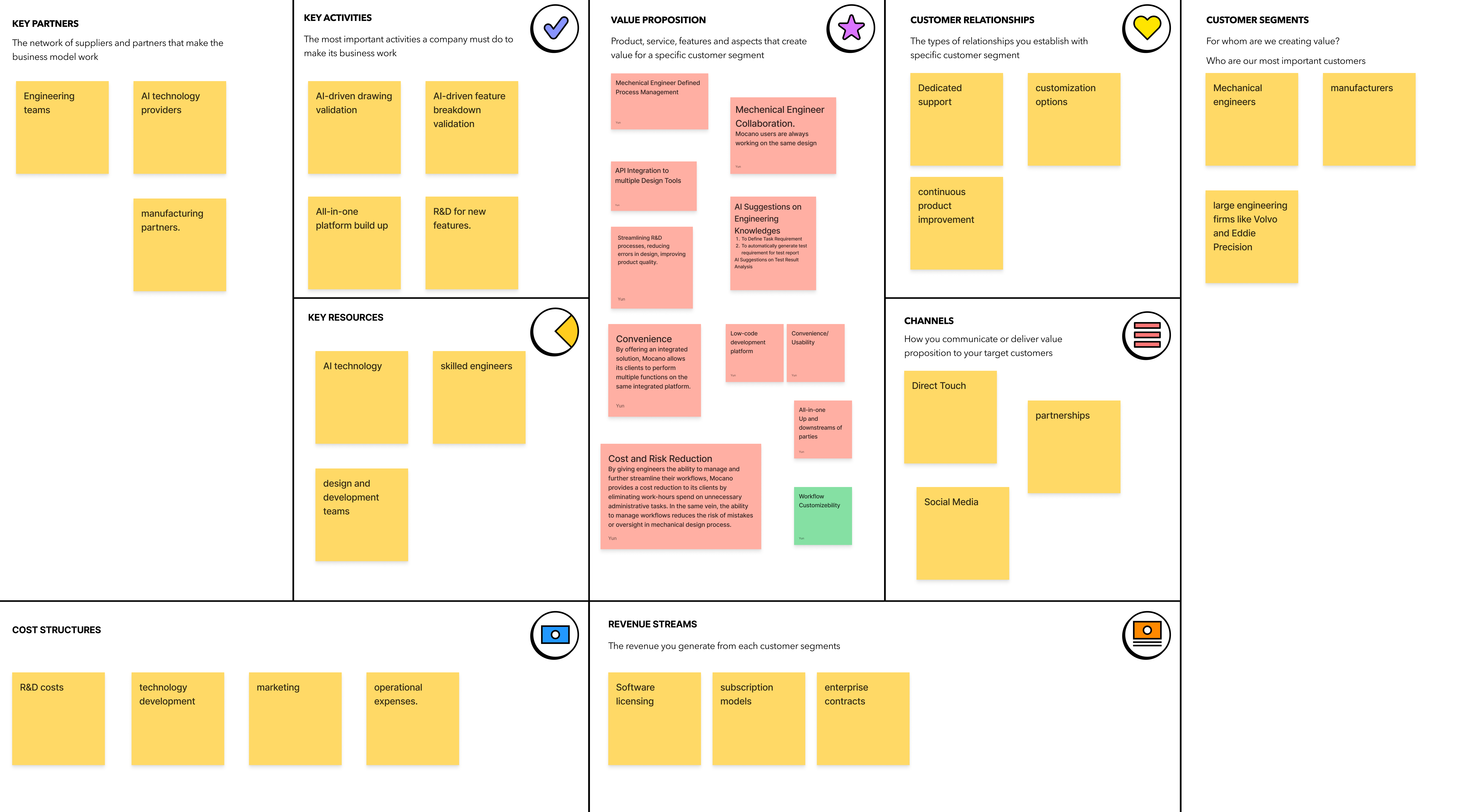
Business Canvas
Process


Final design
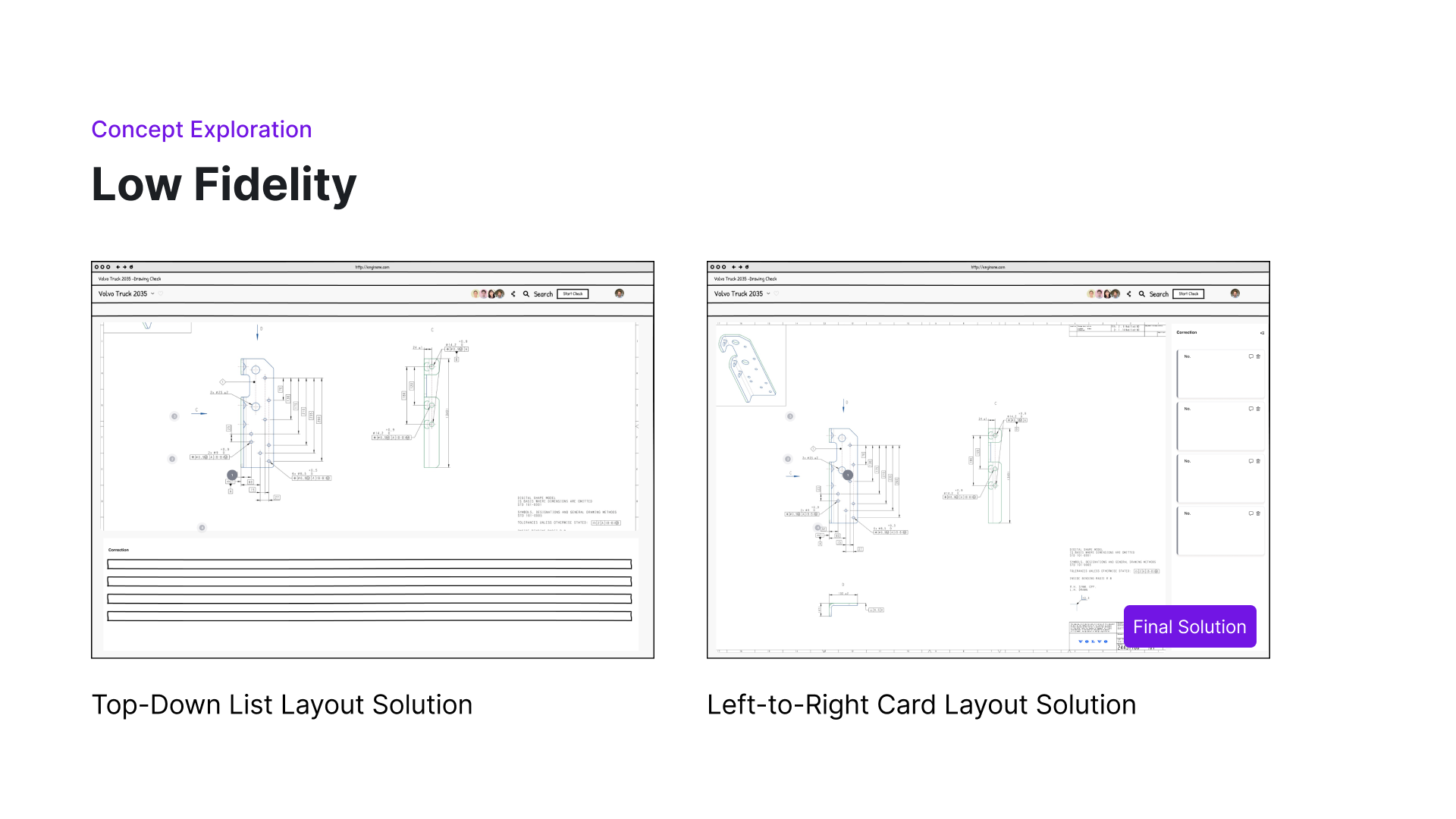
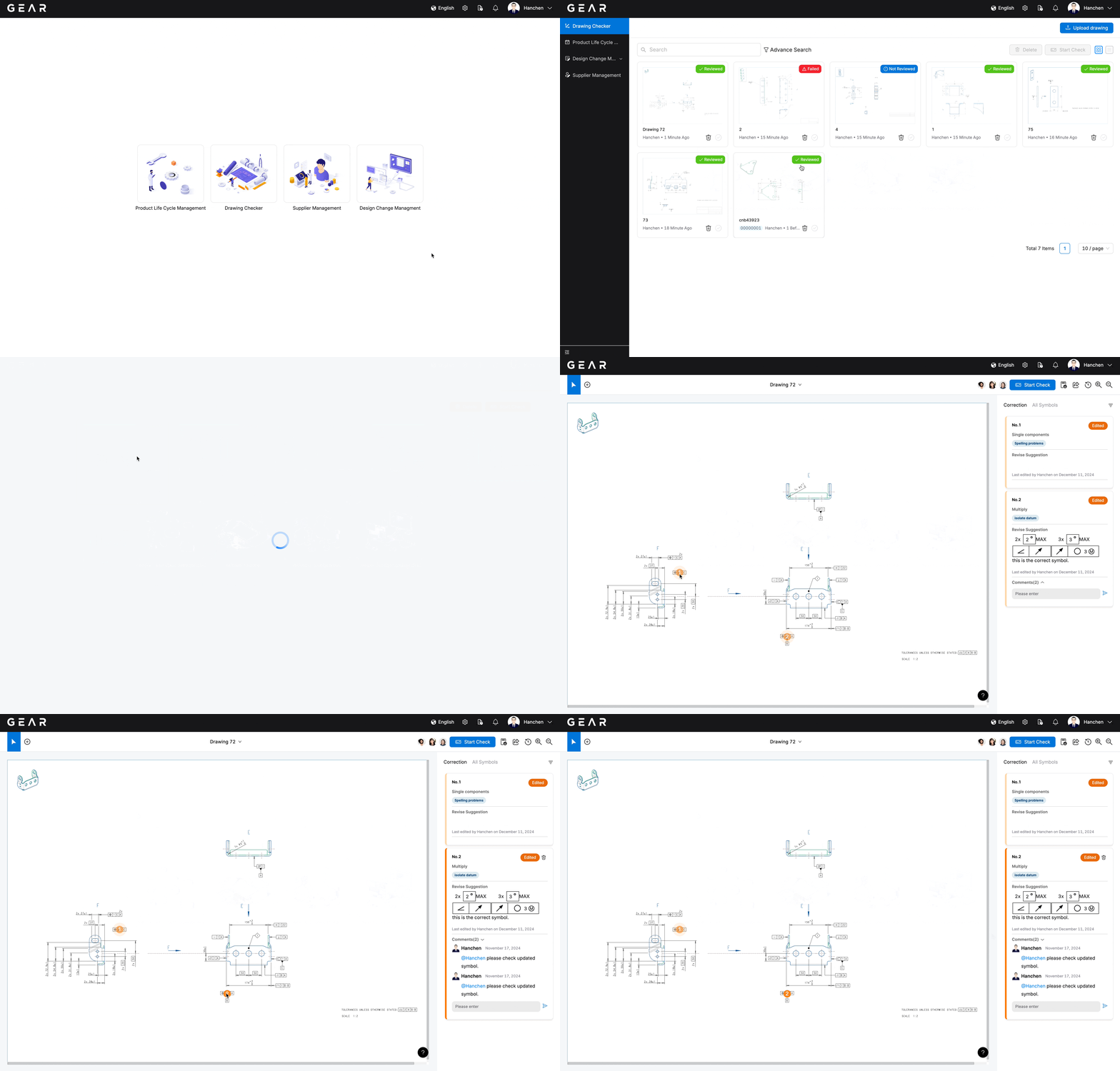
As a drawing checker, I want to review the checking result of a uploaded drawing.

Design Challenge
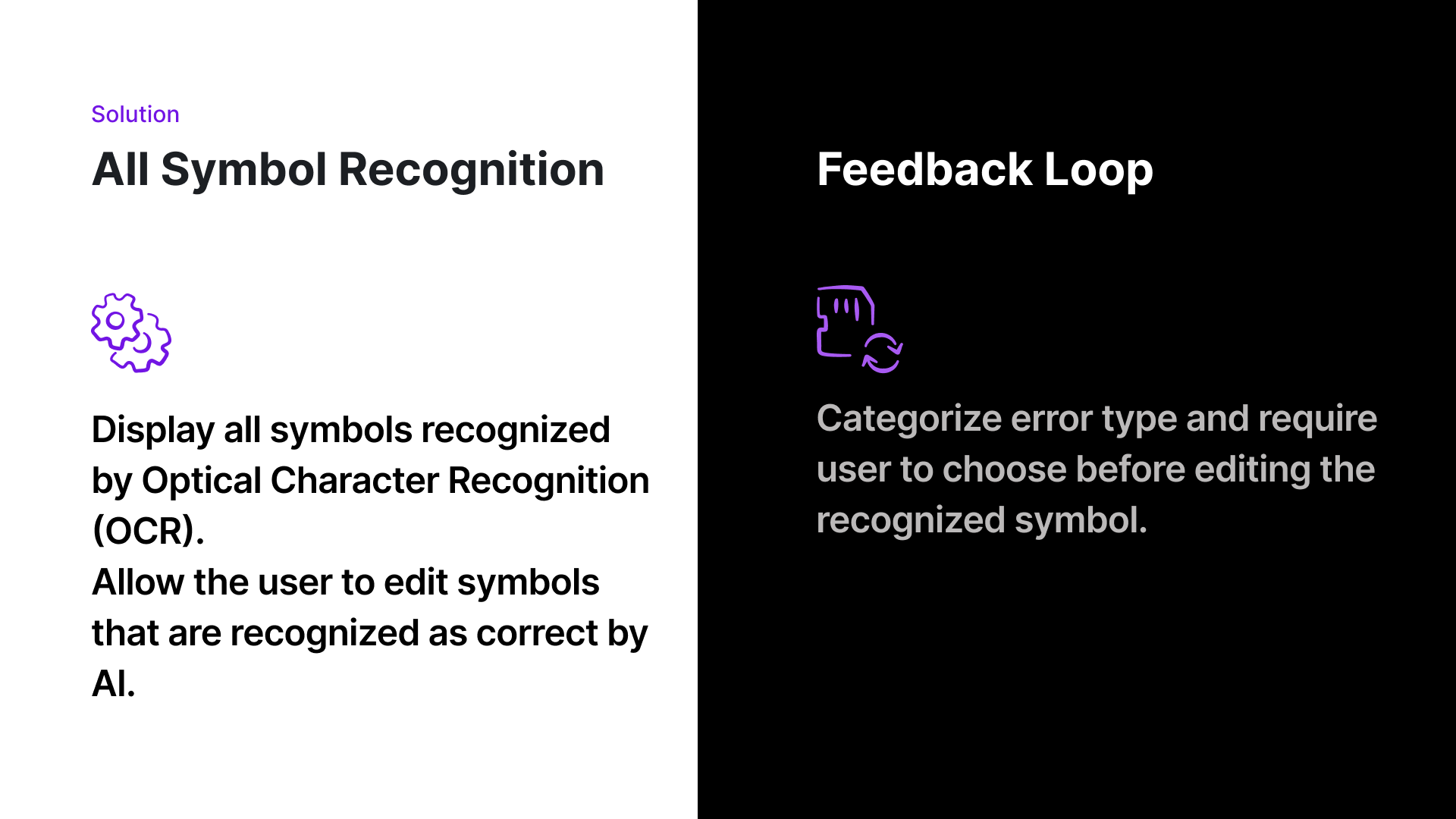
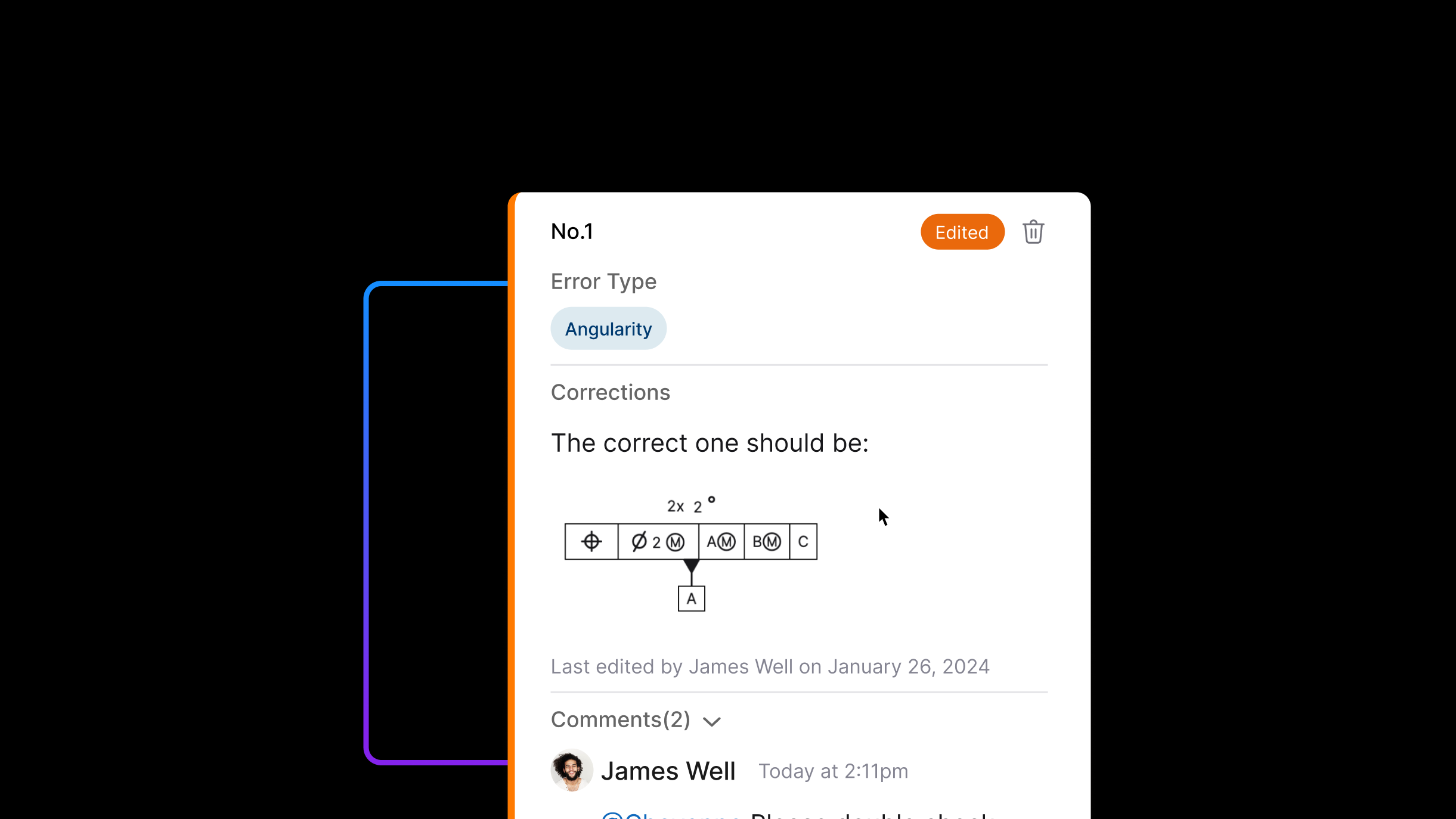
As a drawing checker, I find the AI checking result is wrong, and I would like to manually edit it and submit the error type made by AI.
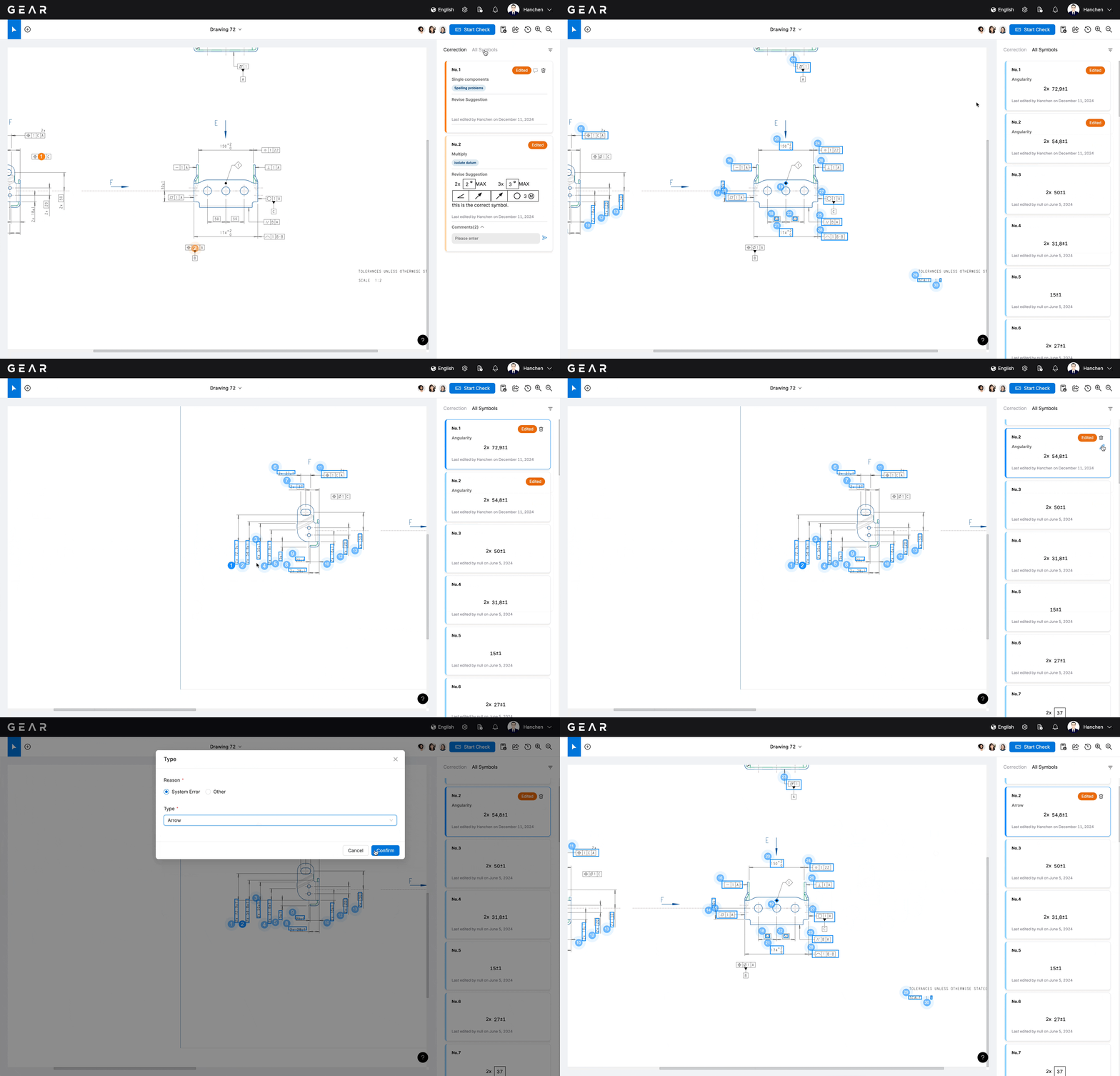
Building the human-centered AI tool
Reflections
Designing intuitive mechanisms for users to provide feedback on AI outputs required balancing simplicity with depth—ensuring it was easy for users to engage without interrupting their workflow.
Gaining trust with stakeholders is crucial for ensuring product success, especially when navigating strategic decisions and iterations.
Presenting a roadmap of opportunities, including how their input could directly influence the platform's evolution, transformed the conversation from one of transactional testing to a partnership-driven collaboration.